Environmental Services: Protecting Communities, Resources, as well as the Planet
Wiki Article
Environmental services play an essential role in maintaining clean communities, protecting natural resources, and supporting sustainable economic development. From waste management and water treatment to environmental consulting and pollution control, these facilities help businesses, governments, and people address environmental challenges responsibly.
As environmental regulations evolve and knowing of sustainability grows, UST removals are getting to be increasingly important across industries.
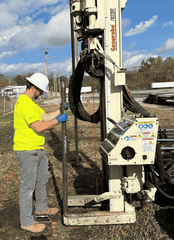
## What Are Environmental Services?
Environmental services encompass a large range of professional activities made to protect human health and the natural environment.
These services normally include:
* Waste collection and management
* Recycling and resource recovery
* Water and wastewater treatment
* Air-quality monitoring
* Soil and groundwater assessment
* Environmental consulting
* Pollution prevention
* Site remediation
* Hazardous-material management
* Environmental compliance
* Sustainability planning
The specific services required depend upon the location, industry, environmental risks, and applicable regulations.
## Why Environmental Services Matter
Environmental problems can impact ecosystems, businesses, communities, and public health. Effective environmental management helps identify potential risks before they become expensive or tough to resolve.
Professional environmental services will help organizations:
* Reduce environmental impacts
* Manage waste responsibly
* Protect water resources
* Improve resource efficiency
* Meet regulatory requirements
* Identify contamination
* Reduce operational risks
* Develop sustainability strategies
Taking a proactive approach can often be more effective than addressing environmental problems when they have become serious.
## Waste Management and Recycling
Waste management is one of the most visible regions of environmental services.
Professional waste-management providers may help organizations collect, transport, sort, process, recycle, and dispose of waste appropriately.
A modern waste-management strategy may prioritize the waste hierarchy:
1. Reduce unnecessary consumption.
2. Reuse materials whenever practical.
3. Recycle suitable materials.
4. Recover energy or resources where appropriate.
5. Dispose of remaining waste responsibly.
Businesses could reduce both environmental impact and operating costs by identifying possibilities to minimize waste at its source.
## Water and Wastewater Services
Clean water is a vital resource for communities, agriculture, and industry.
Environmental companies may support water-quality monitoring, wastewater treatment, drainage management, and contamination assessment.
Wastewater treatment is particularly important because untreated or inadequately treated wastewater can introduce pollutants into rivers, lakes, groundwater, and coastal environments.
Professional services may help organizations monitor water systems and keep appropriate treatment processes.
## Environmental Consulting
Environmental consultants help businesses and organizations understand environmental risks along with.
Consulting services can include environmental assessments, regulatory support, site investigations, permitting assistance, sustainability planning, and environmental management systems.
Consultants can also help companies evaluate proposed projects before construction begins, identifying potential environmental conditions may require attention.
## Soil and Groundwater Assessment
Contaminated soil and groundwater migh result from historical industrial activities, chemical storage, fuel spills, waste disposal, or another sources.
Environmental professionals can conduct investigations to determine whether contamination occurs and assess its potential extent.
Depending around the findings, remediation strategies might be developed to reduce or manage environmental risks.
## Air Quality and Emissions Monitoring
Air quality is an additional important portion of environmental management.
Businesses operating industrial equipment, manufacturing facilities, or other emission sources should monitor pollutants and comply with applicable air-quality requirements.
Environmental services range from emissions testing, air monitoring, reporting, and recommendations for reducing emissions.
Better monitoring can also help organizations identify equipment or processes that could be contributing unnecessarily to air pollution.
## Environmental Compliance
Environmental regulations may be complex and vary significantly by jurisdiction and industry.
Professional environmental services may help organizations understand their responsibilities and look after appropriate documentation.
Compliance-related services may involve:
* Environmental permitting
* Regulatory reporting
* Compliance audits
* Record keeping
* Risk assessments
* Inspection preparation
* Corrective-action planning
Staying organized and proactive can reduce the risk of regulatory problems and unexpected operational disruptions.
## Site Remediation
When contamination is discovered, remediation might be required.
The appropriate solution depends around the type and concentration of contaminants, site conditions, land use, regulatory requirements, and potential exposure pathways.
Remediation can involve removing contaminated material, treating soil or groundwater, containing pollutants, or using other engineered approaches.
A professional assessment is vital before selecting a remediation strategy.
## Environmental Services for Businesses
Companies of all sizes can be helped by environmental management.
Manufacturers might require assistance with waste, emissions, chemicals, and wastewater. Construction companies may necessitate erosion control, waste management, site assessments, or environmental permitting. Offices and commercial properties may focus more heavily on recycling, energy efficiency, water conservation, and sustainable operations.
An environmental services provider will help tailor ways of the organization's actual risks and priorities.
## Sustainability and Resource Efficiency
Environmental services are increasingly attached to sustainability.
Businesses want beyond compliance and exploring purposes of fewer resources, reduce waste, and improve operational efficiency.
Common sustainability initiatives include:
* Reducing energy consumption
* Conserving water
* Minimizing material waste
* Increasing recycling
* Improving supply-chain efficiency
* Using renewable resources
* Measuring environmental performance
These initiatives can offer environmental benefits while potentially reducing long-term operating expenses.
## Technology in Environmental Services
Technology is transforming environmental management.
Modern tools can hold real-time monitoring, geographic information systems, remote sensing, automated reporting, data analysis, and environmental modeling.
Digital platforms can make it easier for organizations to monitor waste volumes, monitor environmental indicators, manage compliance documentation, and identify trends.
As technology will continue to improve, environmental professionals may make better-informed decisions using increasingly detailed data.
## Choosing an Environmental Services Provider
When selecting an environmental services company, consider several factors.
### Experience
Look for experience relevant to your industry, project type, and environmental challenges.
### Qualifications
Review professional credentials, licenses, certifications, and technical capabilities where applicable.
### Regulatory Knowledge
Choose a provider acquainted with the environmental requirements highly relevant to your location and operations.
### Range of Services
A company offering multiple related services might be able to provide more coordinated support.
### Communication
Environmental projects often involve technical information and regulatory deadlines. Clear communication is therefore essential.
### Safety
Environmental work can involve hazardous materials, contaminated sites, chemicals, or industrial environments. Confirm that the provider follows appropriate safety procedures.
## The Future of Environmental Services
Environmental services will likely become increasingly significant as communities and businesses address climate risks, resource constraints, waste challenges, and pollution.
Future developments may include greater utilization of automation, data analytics, remote monitoring, circular-economy strategies, advanced recycling technologies, and resource-recovery systems.
Organizations that integrate environmental management into long-term planning may be better prepared for changing regulations, customer expectations, and resource challenges.
## Final Thoughts
Environmental services provide practical solutions for safeguarding natural resources, reducing pollution, managing waste, and supporting sustainable development. Their importance extends from individual communities to large industrial operations.
Whether an organization needs waste management, water treatment, environmental consulting, compliance assistance, site remediation, or sustainability planning, professional environmental services might help turn environmental responsibilities into structured and measurable actions.
A proactive approach not just supports environmental protection but tend to also improve efficiency, reduce risk, and help with healthier communities as well as a more sustainable future.